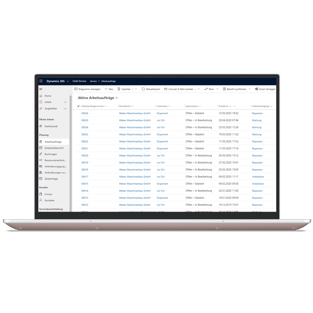
When a company chooses to implement an enterprise resource planning system, it is essential to have the SAP Einsatzplanung, which will guarantee a well-organized, effective, and future-oriented implementation. Effective planning assists in ensuring that the capabilities of the systems are aligned with the business processes, minimizes the number of disruptions during the transition, and that an organization is able to draw the maximum out of its SAP investment.
The implementation of SAP cannot be considered a technical installation project. It is a wider business change that entails redefining business processes, coordinating teams, adopting best practices with regard to service processes, and facilitating seamless process automation. An effective SAP implementation initiative should be such that it combines technology, individuals, and processes right at the start.
Why a well-structured deployment roadmap matters
Mitigating disruption and reducing risk
Transitioning from legacy systems or manual processes to a full SAP environment can disrupt everyday operations. Lack of a planned approach can result in downtime, inconsistent data and bottlenecks in the workflow of businesses. An effective deployment plan also assists in identifying the important business operations and data integrity, and reduces the risk during the cutover.
Aligning technical setup with business needs
Each organization has its own needs. By using strategic deployment planning, companies can configure SAP modules to be configured in a manner that displays the structure of their operation, compliance needs, and service standards. This includes streamlining processes, compliance, and personalized roles of the end user, and all this is prior to going live.
Building for scalability and future growth
Contemporary businesses tend to develop and change at a high pace. The deployment strategy has an expected volume of business, a change in structure, and geographical growth. This guarantees that the implementation of SAP is involved in long-term growth as opposed to being a limitation in the future.
Key phases in effective SAP Einsatzplanung
1. Assess current processes and define requirements
Begin by mapping out existing business processes and identifying pain points or inefficiencies. Involve all the departmental stakeholders to be able to get the actual needs of the organization. This aids in the provision of precise business requirements and aligning SAP configuration to them.
2. Choose the right deployment model: on-premise, cloud, hybrid
The same deployment model does not work in all businesses. On-premises can be appropriate for companies that have high data control requirements or regulatory limitations. The cloud deployment presents scalability, affordability, and expediency. The hybrid model is the most optimal between the two worlds and can usually be used as the pathway out of legacy systems to complete cloud ERP.
3. Design the system architecture and landscape
An elaborate structure of the arrangement of various elements. Among others, choose which modules or applications will share a server, which will only be standalone and how to integrate with other systems. The architecture must be able to accommodate the present requirements and the expansions.
4. Data migration and transformation
Transfer of legacy data into SAP requires careful planning. Standardize and cleanse data, establish mapping rules, and schedule validation and reconciliation. Since data integrity is crucial in the activities post go-live, the phase requires stringent testing and verification.
5. Configuration, customisation, and integration
Internationalize the standard SAP modules to fit business processes. For unique organizational needs, plan for custom development or integration with third-party tools. Have custom code, external interfaces, and process flows properly tested in a sandbox before they are transferred to the production environment.
6. Change management and training
The introduction of technology has an impact on individuals and processes. Communicate changes clearly across the organization. Train, conduct workshops, and knowledge-transfer programs to ensure that the employees know how to make use of the system and how to adjust to the new work processes.
7. Go-live preparation and cutover planning
Develop a comprehensive cutover plan with timescales, freeze periods of legacy processes, data-migration process, user on-boarding, fall-back, and support plans. A mock-go-live or dry run is useful in exposing problems in advance.
8. Post-go-live support and continuous improvement
Follow-up on system performance after deployment, user acceptance and process effectiveness. Get feedback, identify pain points and how to improve it in small steps. The support model and consistency with continuous optimization mindset will mean that the system remains up to date with changing business requirements.
Why choose OPUSm AG?
A decision in favor of OPUSm AG implies having a team that is both highly knowledgeable of SAP and has a real-life grasp of business issues. We will take clients through each process step by step and in a clear and precise way, and this is in the long term value. Our experts design solutions to the structure of every organization, make sure to facilitate the process, and target credible outcomes to reinforce the operations and their further development.
Conclusion
SAP Einsatzplanung is much more successful in case there is a support of a partner that comprehends both technical and strategic aspects of transformation. Our systematic process, special attention, and emphasis on quantifiable results are what enable organizations to experience a more seamless implementation process, closer alignment with business objectives, and longer-lasting performance gains.

