
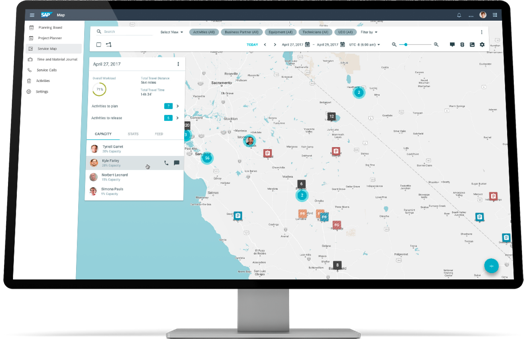
What happens when the service desk promises a visit the field team never heard about, and invoices arrive weeks late? SAP S/4HANA Service solves this by keeping requests, orders, confirmations and billing in one system, so teams share one record. That sounds simple on paper, yet the real work happens in the setup, long before the first technician logs in.
We at OPUSm work only on service processes, so we see the same stumbling blocks appear in project after project. That focus shapes this guide, which explains how SAP S/4HANA Service supports daily service work through clear and practical steps. Keep reading to learn the first step, because it decides how smoothly each later step will run for every team.
What Makes Our Approach to Service Implementation Different?
We treat implementation as a service problem first and a software problem second, so every project begins with how technicians, planners and customers actually work.
Proven Implementation Experience
Our team has completed 150+ projects, 70+ clients and 12 countries, and each one taught us which steps deserve extra attention before go-live. That history helps us spot risks early, such as unclear ownership of data or contracts that nobody has translated into system rules.
Ready-Made Extension Tools
We offer plug-and-play extensions for SAP’s field service software, so teams can add useful functions without starting heavy custom development. Calendar sync is a good example, since appointments entered in Outlook can appear on the planning board and keep technician availability realistic.
Connected Service Landscape
Our experience spans SAP’s back-office service module, Service Cloud and field service tools, so office teams and technicians on the road stay connected. Because both sides share one process, a technician’s confirmation reaches billing without anyone retyping it, and managers see the whole job in one place.
How Does SAP S/4HANA Service Work for Service Companies in Zurich?
Service companies in Zurich often run on tight schedules and strict customer expectations, so a clear implementation path matters more than a long feature list. Each step below follows the order we use in real projects, and each one builds on the result of the step before it.
- Map Current Processes: We start by mapping how requests, quotes, orders and billing flow today, and then compare that with the standard processes the module offers.
- Define Service Contracts: Next, we set up service contracts, which fix the terms of each service, so every later step follows the same agreed rules.
- Choose Service Scenarios: Then we choose the right scenarios, such as on-site service for technicians at customer locations or in-house repair for equipment that arrives at the workshop.
- Connect Field Teams: After that, we link the office process to technicians in the field through mobile tools, so confirmations flow back without phone calls or paper.
- Test Before Go-Live: Finally, we test the full chain from first request to final invoice, so surprises appear in a test session rather than at a customer site.
How Can Teams Keep Service Quality High After Go-Live?
A good rollout does not end at go-live, because the first weeks show how people really use the system and which steps still feel slow. We encourage teams to review those early signals, adjust screens and routines, and keep technicians, planners and finance staff aligned on one simple shared process.
Reports make this easier, since managers can see which jobs run long and where repeat visits cluster, and they act on real facts, not impressions. That habit turns SAP S/4HANA Service from a one-time project into living infrastructure, and we at OPUSm support teams that want to keep improving it.
Conclusion
SAP S/4HANA Service can bring real order to a service organization, but the results depend on how carefully teams plan, test and refine the setup. We wrote this guide because service teams deserve a dependable setup that works on the road as reliably as it works in the back office. Contact us at OPUSm through the contact page or book a no-obligation first consultation, and we will gladly help plan the first practical step together.


